Exercise Physiology
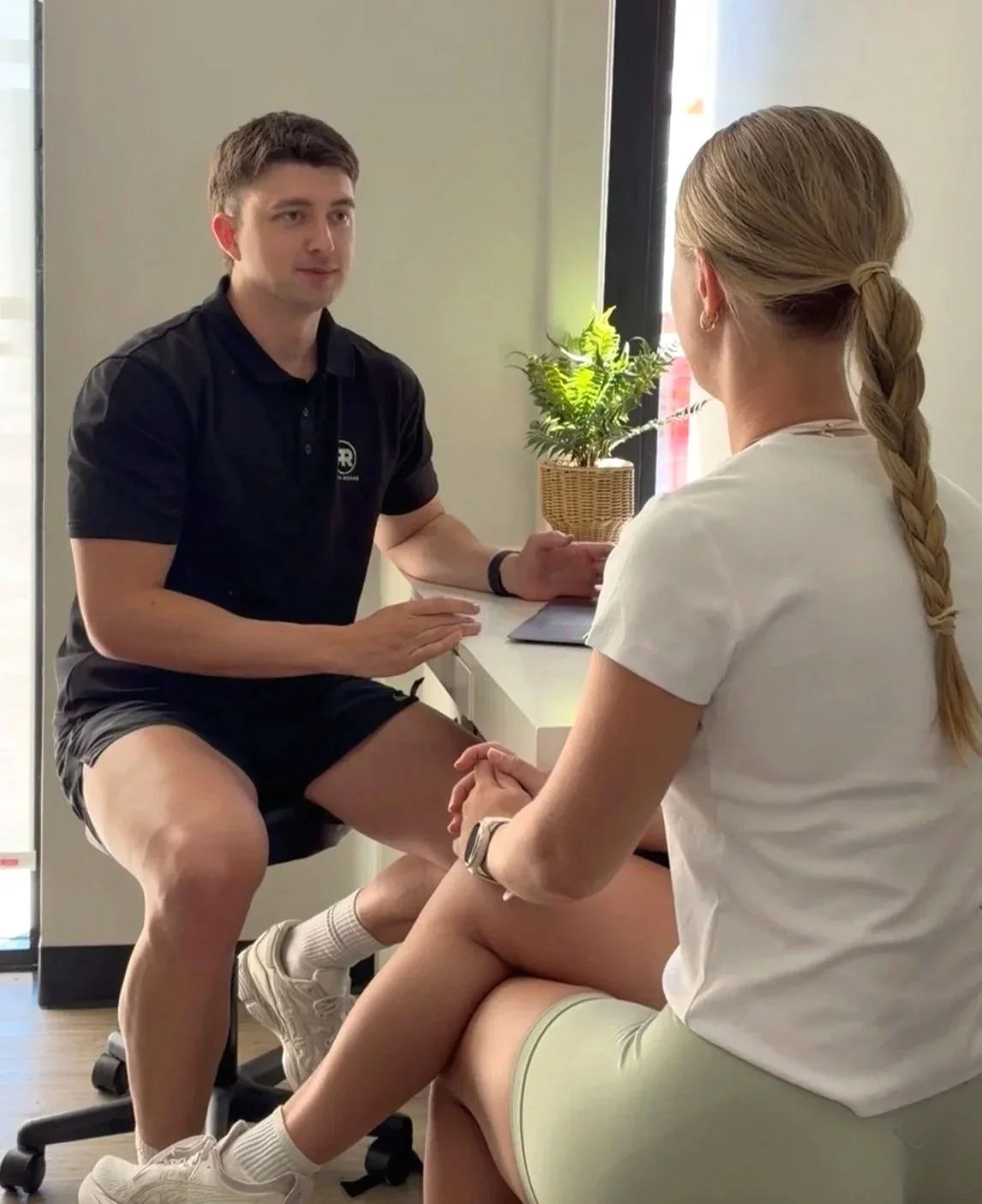
Focused support for individuals managing long-term health conditions such as diabetes, cardiovascular disease, osteoporosis and metabolic syndrome. We use structured, evidence-based exercise to improve health markers, increase energy and support long-term independence.
Chronic Disease Management
For ongoing injuries or conditions that haven’t fully resolved, or continue to flare up over time. We take a structured, progressive approach to reduce pain, restore movement and rebuild strength so you can return to daily life, work and training with confidence. Exercise rehabilitation with for long-term outcomes.
Chronic Injury Rehabilitation
Designed for those who feel weak, unfit or have lost confidence in their body following injury, illness or time away from training. We rebuild strength, fitness and resilience through simple, progressive programs tailored to your starting point. Our exercise-based rehabilitation approach focuses on restoring physical capacity and helping you feel strong, capable and in control again.
Strength and Conditioning
For individuals wanting to move better, train smarter and reduce the risk of injury or setbacks. We focus on movement quality, strength development and load management to improve performance in both everyday life and sport. This is exercise-based rehabilitation aimed at building a resilient body that can handle the demands of training, work and life.
Performance and Prevention
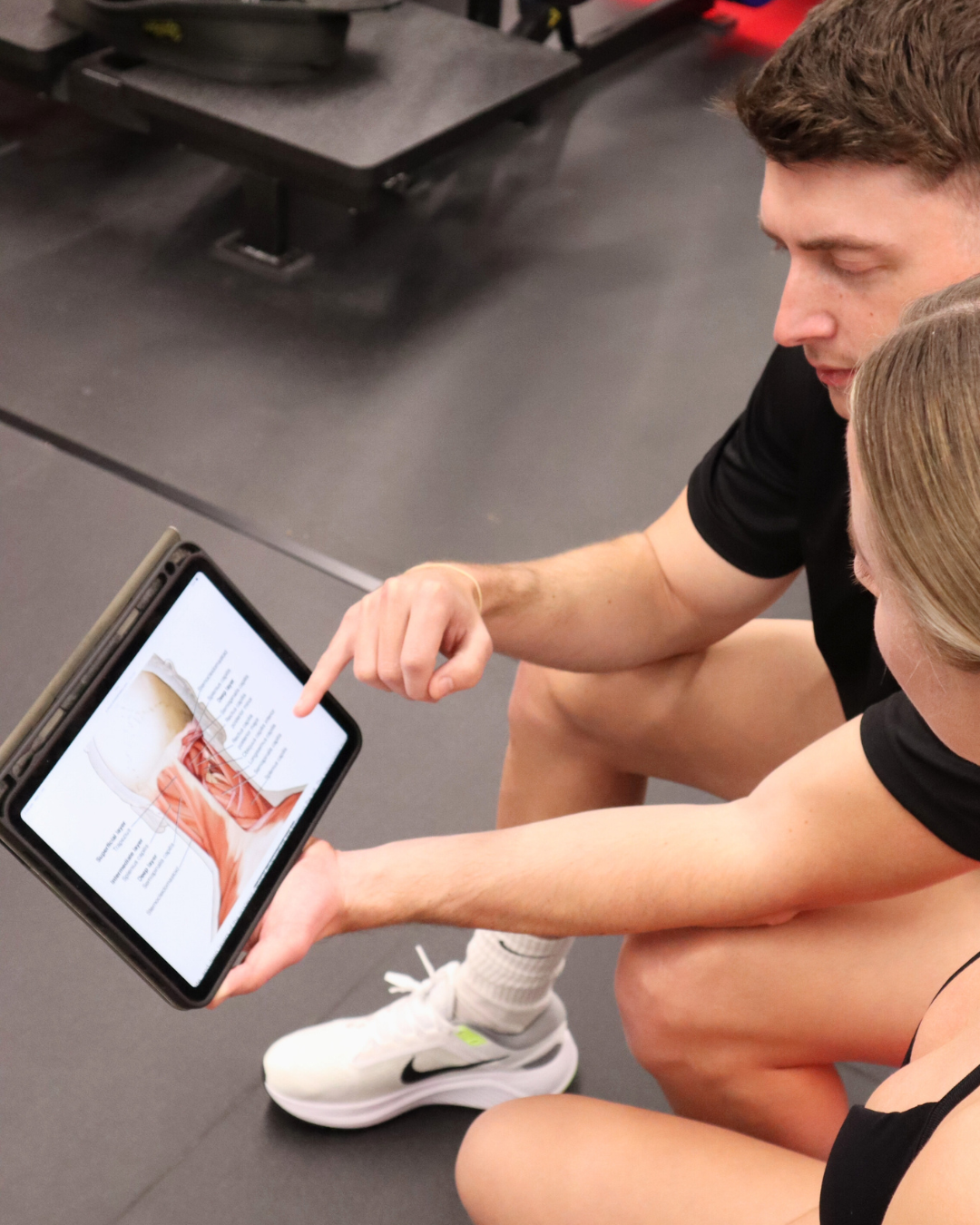
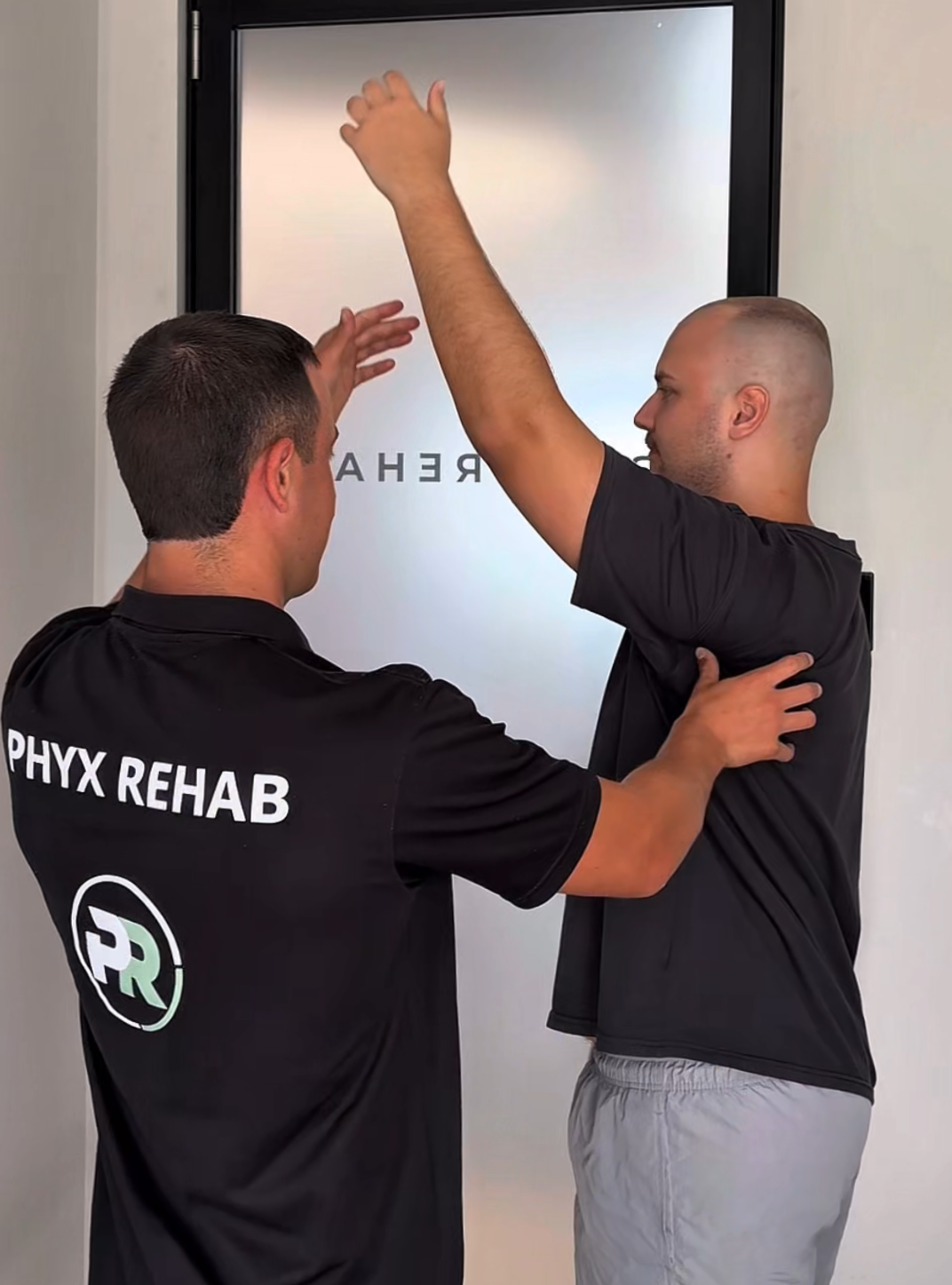
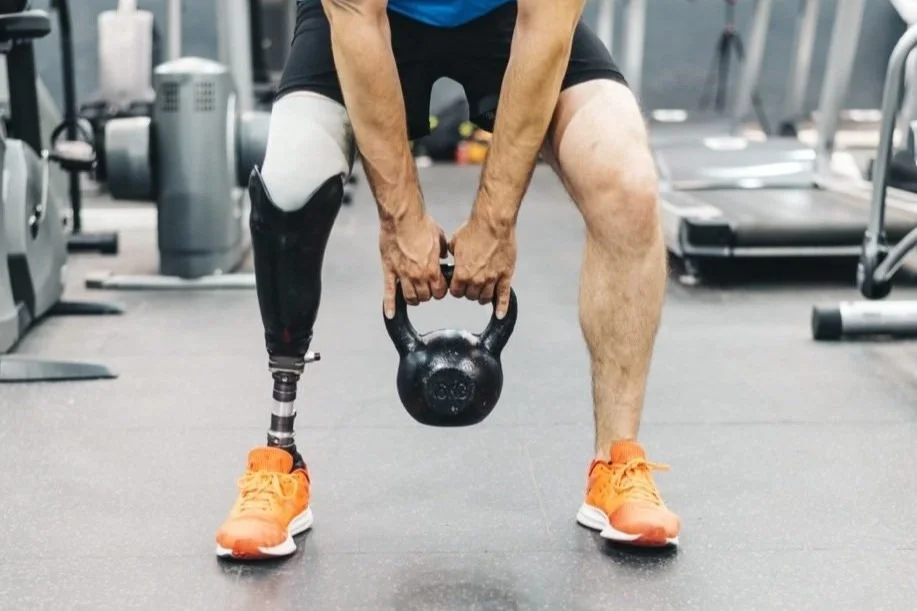
Deep tissue massage targets deeper layers of muscle to relieve persistent tension and stiffness. Using slow, focused pressure, treatment helps release tight areas, improve mobility and reduce discomfort caused by stress, posture or repetitive movement patterns.
Private Health Rebates
Sports massage helps active individuals recover from training and reduce muscle soreness. Treatment focuses on tight muscles to improve circulation, support recovery and keep the body moving freely during exercise, sport and regular physical activity.
Medicare (BULK BILLED)
Dry needling is used to release tight muscles and trigger points that contribute to pain and restricted movement. Fine needles are inserted into specific muscles to reduce tension, improve blood flow and encourage muscle relaxation and improve movement.
NDIS Support
Cupping therapy uses gentle suction to help improve circulation and release muscle tightness. The technique lifts soft tissue slightly, helping reduce stiffness and support muscle recovery after exercise, prolonged sitting or repetitive daily activities.
WorkCover

Why Choose Phyx Rehab
8+ years
EXPERIENCE
Our team bring years of experience managing acute injuries and chronic health conditions with structured, evidence-based exercise.
100%
DEDICATION
We are committed to every client’s progress, delivering consistent support, accountability and clinical precision.
100%
EVIDENCE-LED
Every session and program is guided by current research, clinical reasoning and outcome-driven progression.
100%
COLLABORATION
We work alongside you, for you, ensuring your goals and expectations guide every decision. Our focus is you in every part of the journey.
What to Expect
Initial Appointment:
Our initial exercise physiology consultation is designed for individuals managing chronic injuries, long-term conditions, or those looking to improve their overall health and fitness. During this session, our exercise physiologists will take the time to thoroughly assess your movement, strength, mobility, and current physical capacity, while also gaining a clear understanding of your goals, lifestyle, and any relevant medical history. From this, we develop a personalised, exercise-based rehabilitation plan tailored specifically to your needs, focusing on improving function, reducing pain, and building long-term capacity and confidence in your body.
Subsequent Appointment:
Follow-up consultations are focused on progressing your exercise-based rehabilitation and ensuring you continue moving towards your goals safely and effectively. During these sessions, we monitor your progress, reassess key movements and symptoms, and make targeted adjustments to your program based on how your body is responding. This allows us to progressively build strength, improve movement quality, and support long-term outcomes, whether that’s returning to work, sport, or simply moving through daily life with less pain and greater confidence.
-
We accept most private health insurance plans. Contact your provider to confirm your coverage, and we'll help you with the claims process when you book your appointment.
-
We accept Medicare for eligible patients. To book with Medicare, simply bring your referral from your GP, and our team will assist you with the process.
-
We offer services for NDIS participants. Give us a call and our team will ensure your treatment plan is tailored to meet your needs.
-
We work with WorkCover to assist with recovery from work-related injuries. To book, bring your claim details, and we’ll handle the rest to ensure your treatment is covered.

FAQ
-
An exercise physiologist is a healthcare professional who specialises in using physical activity to help prevent, manage, and rehabilitate injuries and chronic health conditions. They design tailored exercise programs to improve fitness, strength, and overall health.
-
Treatment duration depends on the type and severity of your condition. Typically, sessions last between 30 to 60 minutes, and the number of sessions will vary based on your individual progress.
-
Yes, home exercises are often recommended as part of your treatment plan to complement your sessions. These exercises help speed up recovery, improve mobility, and prevent future injuries.
-
Wear comfortable clothing that allows easy movement. It’s also helpful to bring any relevant medical records or imaging results, such as X-rays or MRIs.
-
While both focus on improving physical function, exercise physiology primarily uses exercise to manage and prevent health conditions, while physiotherapy often incorporates hands-on techniques like manual therapy to treat injuries.
-
Yes, exercise physiology can play a significant role in weight loss by creating personalised exercise plans that help burn calories, increase metabolism, and improve overall fitness.
-
Yes, exercise physiologists are trained to treat patients of all ages, including children and the elderly. They will tailor treatments to suit the specific needs and conditions of these age groups, helping to manage developmental or age-related issues.
-
Yes! Exercise physiology is designed to be safe for people with chronic conditions. The exercise physiologist tailors the program to your specific needs, ensuring that exercises are appropriate for your condition and fitness level.
-
Yes, exercise physiologists can help athletes improve performance, prevent injuries, and recover from injuries by designing tailored exercise programs focused on strength, flexibility, and conditioning.
-
Booking an appointment is easy! You can call us directly, use our online booking system on our website, or send us an email to schedule your visit. We’re happy to accommodate your preferred time